

Winter is hard on everyone’s skin. If you have diabetes, dry, cold air can be even harsher.
Dry skin can look like a small problem. With diabetes, it can lead to much larger issues that could affect your health. The good news? A few simple habits can keep both you and your skin healthy.
Why Diabetes Makes Skin Dry
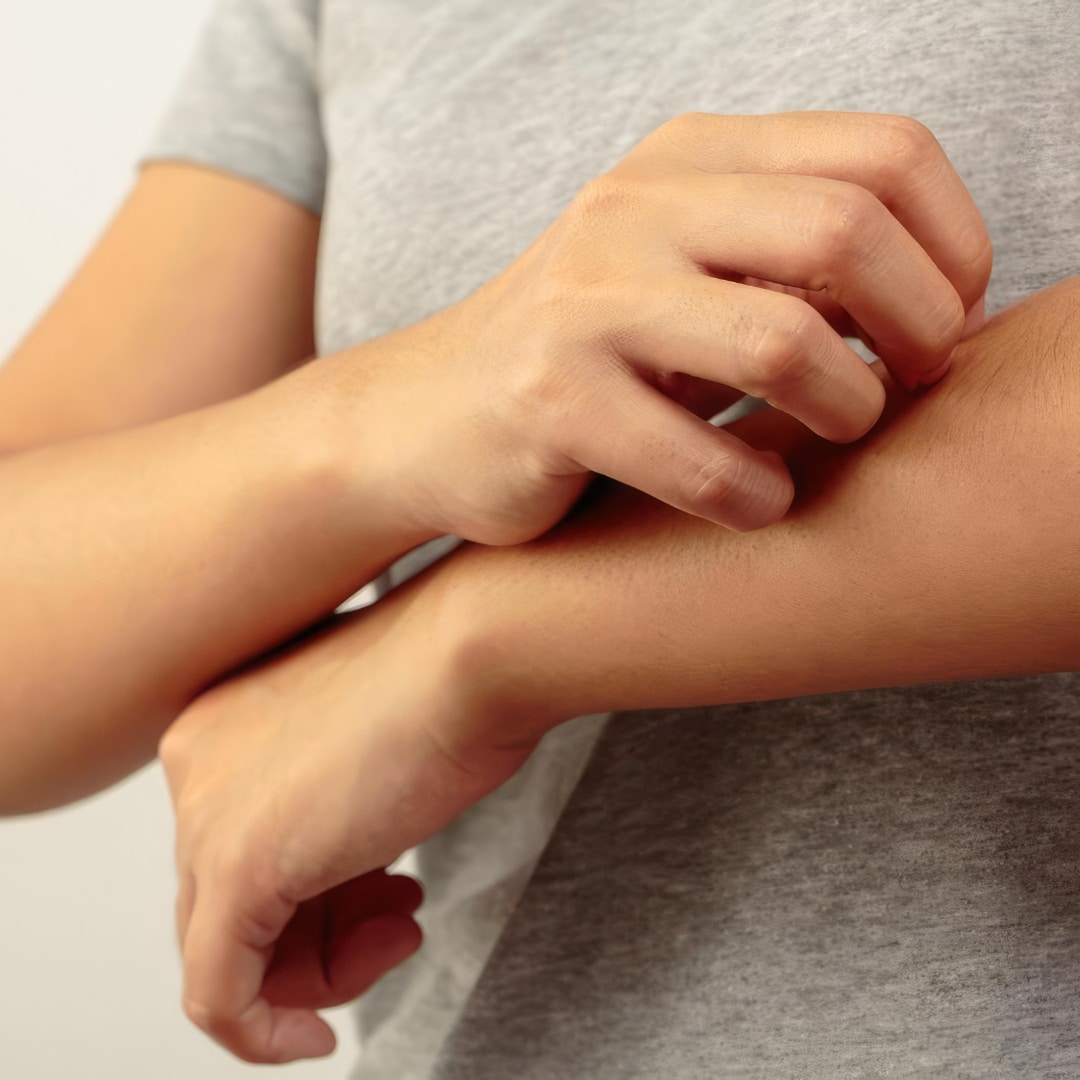
When your blood sugar runs high, your body loses extra moisture. This can leave your skin dry, itchy, and tight. Combined with cold winter air and indoor heat, dry skin can get worse fast.
Diabetes can also damage your nerves. This is most common in the feet. Your skin on your feet can be drier and nerve damage can also make you feel less pain.
Why a Small Crack Is Not Small
Dry skin can crack, especially on your heels. Here is the problem:
- You may not feel it. Nerve damage can hide the pain of a cut or crack.
- Infection risk. A crack is an open door for germs that can lead to infections. An infection can turn into a deep sore. Sores, especially on the feet, can become very serious. This is why seeing a foot doctor is recommended for people with diabetes.
- Healing is slow. High blood sugar makes it harder for your body to heal.
Other Skin Signs to Watch For
Diabetes can change your skin in other ways. Tell your provider if you see:
- Itchy skin that won’t go away
- Red, itchy rashes, often in warm, damp spots like under the arms or between the toes
- Dark, thick, velvety patches on the neck or armpits
- Shiny, reddish-brown spots on the shins
- Cuts or sores that heal slowly or not at all
- Skin that is red, swollen, warm, or oozing
Some of these can be early signs of diabetes. If you don’t have a diabetes diagnosis yet, a quick blood sugar test can give you answers.
Your Daily Skin Care Plan
1. Check your feet every day.
Look at the tops, bottoms, heels, and between your toes. Use a mirror or ask someone to help. Look for cracks, cuts, blisters, red spots, or color changes.
2. Manage your blood sugar levels.
Keeping your diabetes under control is the best way to maintain your overall health and wellness, including skin health. Speak with your healthcare provider about your blood sugar levels.
3. Moisturize every day.
Use a thick cream or ointment. Put it on right after you wash, while your skin is still damp. Do not put it between your toes. Extra moisture between your toes can cause fungus.
4. Keep showers short and warm.
Hot water dries out skin. Test the water with your elbow first. Nerve damage can keep you from feeling heat on your feet.
5. Dry well.
Pat your skin dry. Take extra care between your toes.
6. Protect your feet.
Wear clean, dry socks and shoes that fit. Never go barefoot, even at home.
7. Don’t cut calluses or corns yourself.
Let a healthcare provider take care of that for you.
8. Run a humidifier.
Humidifiers add water back to dry indoor air.
When to Get Help Right Away
Don’t wait. Call your provider if you have:
- A cut, blister, or sore that is not getting better in a few days
- A crack that bleeds
- Redness, swelling, warmth, or pus
- A new color change on your foot
- Itching that keeps you up at night
If you have a fever or red streaks near a wound, get care the same day.
Skin Care That Fits Your Whole Health
At CompleteCare Health Network, your care team looks at you as a whole person. Our dermatology providers can treat dry skin, rashes, and skin problems linked to diabetes. We also work with your primary care team to help manage your diabetes.
Worried about cost? Don’t let it stop you. CompleteCare Health Network accepts NJ FamilyCare. Uninsured? Our Access to Care Counselors are available to help you get the coverage that is right for you. At CompleteCare Health Network, no patient is turned away for care.
Call (856) 934-0491 or book a visit our appointment center today.
Want to learn more?
These trusted sources have more tips for caring for your skin and feet with diabetes:
- CDC: Your Feet and Diabetes. How to check your feet every day.
- CDC: Tips for Healthy Feet. A quick list of daily habits.
- NIDDK: Diabetes & Foot Problems. When to call your provider about a sore.
- American Academy of Dermatology: Diabetes Skin Signs. Skin changes to watch for.
- American Diabetes Association: Skin Complications. More on skin care with diabetes.
This article is for educational purposes only, always speak with your healthcare provider.